
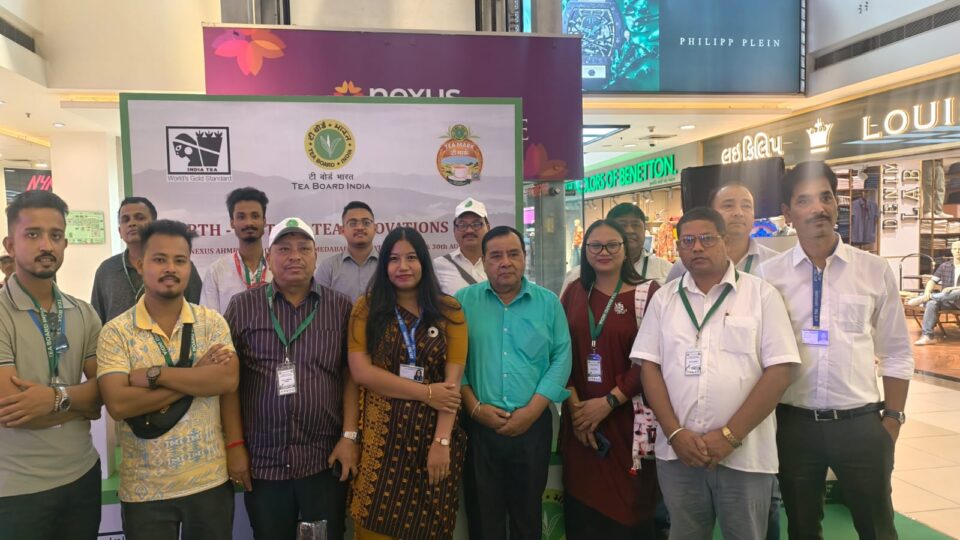
Showcasing India’s Rich Tea Heritage, Regional Diversity and the ‘Tea Mark’ Initiative
AHMEDABAD, GUJARAT | 29th AUGUST 2026 | Tea Board India organised the ‘North Eastern Tea Innovation Expo 2026’ at Nexus Ahmedabad Mall, highlighting India’s rich tea heritage, the diversity of tea-producing regions, the distinctive character of teas from North Eastern States of the country, and the importance of quality and authenticity in Indian tea.
The exhibition provided information about different varieties of tea, tea processing methods, the distinctive aroma and flavour of teas from different regions, and the importance of identifying quality Indian tea. The initiative also highlighted the ‘Tea Mark’ as an important step towards strengthening consumer confidence in the quality, authenticity and transparency of Indian tea.
Tea – More Than a Beverage
Tea is not merely a beverage but an integral part of India’s culture, traditions, hospitality and everyday life. From Assam to Darjeeling and Nilgiri to Kangra, teas grown across different regions of India are known for their distinctive aroma, flavour and character.
Black tea, green tea, white tea, oolong tea and traditionally manufactured Orthodox tea all come from the same plant — Camellia sinensis. The differences in processing after the leaves are plucked create the wide variety of colours, aromas and flavours found in tea.
The Journey of Tea to India
The history of tea is believed to date back nearly 5,000 years. According to Chinese legend, tea began when leaves fell into boiling water prepared by Emperor Shen Nong in 2737 BCE.
In India, wild tea plants had been growing naturally in the forests of Assam for centuries. In 1823, Robert Bruce identified these native tea plants with the help of the indigenous Singpho community. Commercial tea cultivation was subsequently established in Assam during the 1830s, laying the foundation of India’s modern tea industry.
Today, India is one of the world’s leading tea-producing and tea-consuming countries, with tea cultivated across 16 states, each contributing its own distinctive character.
Gujarat and Ahmedabad’s Special Connection with Tea
In Gujarat, tea is not merely a beverage but an important part of daily life and hospitality. In Ahmedabad, masala tea, popularly known as Kitli Chai or Ketli Chai, is particularly popular among students, professionals and travellers.
From traditional roadside tea stalls to modern tea lounges, tea has become an important part of Ahmedabad’s social culture.
According to the information provided, Gujarat’s annual per-capita tea consumption is approximately 1.38 to 1.40 kilograms, significantly higher than the national average.
Orthodox Tea – The Traditional Method
Orthodox Tea is produced using traditional tea-making methods in which the leaves undergo processes such as withering, rolling, oxidation and drying. During this process, the natural shape of the tea leaf is largely retained.
The selection of “Two Leaves and a Bud” is considered important for premium-quality tea. This refers to selecting the two youngest leaves and the unopened bud. These tender parts contain a higher concentration of flavour and aroma.
Every Tea Flush Has Its Own Character
In Darjeeling and other tea-growing regions, tea harvested during different seasons has its own distinctive character:
* First Flush – March to April: Fresh, floral and delicate
* Second Flush – May to June: Richer and known for its distinctive muscatel flavour
* Monsoon Flush – July to September: Stronger and more robust
* Autumn Flush – October to November: Smooth, mellow and rounded
Different Regions, Different Flavours
The flavour of tea is influenced by its natural environment. Soil, altitude, rainfall, sunlight and temperature all contribute to the final flavour and character of the tea.
Darjeeling tea is known for its floral and muscatel notes; Assam tea for its bold, rich and malty character; Nilgiri tea for its fragrant and bright profile; and Kangra tea for its delicate, smooth and aromatic character.
‘Tea Mark’ – A Step Towards Quality and Authenticity
To strengthen consumer confidence in the quality, origin and transparency of Indian tea, Tea Board India has introduced the ‘Tea Mark’ quality certification and digital tracking system.
The ‘Tea Mark’ is intended to help consumers identify genuine, safe and high-quality Indian tea. The system places emphasis on aspects such as assured Indian origin, transparency across the tea journey, quality testing and compliance with food safety and quality standards.
The key objective of the initiative is to help consumers identify genuine Indian tea and strengthen confidence in the process from the tea garden to the consumer’s cup.
Easy Access to Quality-Certified Tea
The Tea Marketplace associated with the ‘Tea Mark’ initiative aims to provide consumers with easier access to a range of certified teas.
The initiative provides access to a wide range of Tea Mark-certified teas along with trusted quality, convenient purchasing and secure payment facilities.
One Plant, Many Regions, Endless Flavours
From the floral character of Darjeeling to the richness of Assam, the freshness of Nilgiri, the delicate character of Kangra and the distinctive identity of other tea-producing regions across India, every cup of Indian tea tells a different story of the country’s land, people and heritage.
One Plant. Many Regions. Endless Flavours.
== ENDS ==
